Introduction
Cultivated meat, known variously as lab-grown, cell-based, or cultured meat, involves growing animal cells in bioreactors rather than conventional farming. This groundbreaking technology offers profound opportunities to sustainably meet escalating global meat demands, effectively addressing ethical, environmental, and economic challenges inherent in traditional livestock agriculture. Recognising cultivated meat’s strategic potential is crucial for governments aspiring to economic growth, technological leadership, superior animal welfare standards, and environmental preservation.
Current Challenges and Obstructive Tactics
Despite its evident advantages, the cultivated meat industry faces substantial resistance from established agricultural interests. Prominent agribusiness entities have consistently opposed innovations perceived to undermine their profitability, employing both political influence and lobbying power. Recent legislative attempts, including outright bans and stringent restrictions in countries such as Italy and various US states, exemplify protectionist measures intended to shield traditional agricultural enterprises from competition.
This opposition is not unprecedented; history is replete with similar examples of resistance to technological progress. The UK’s infamous Locomotive Act of 1865, the “Red Flag Act,” mandated an individual to precede automobiles with a red flag to caution pedestrians, severely stifling automotive advancement. Similarly, obstructive regulation in cultivated meat threatens broader technological innovation and economic development, highlighting the need for progressive policy frameworks rather than reactionary restrictions.
A contemporary parallel can be found in the diamond industry, where lab-grown diamonds face significant resistance from proponents of naturally mined diamonds. Despite being chemically, physically, and visually identical to mined diamonds, lab-grown diamonds are often marketed as inferior due to entrenched perceptions and vested interests within traditional mining industries. Just as lab-grown diamonds challenge established norms and business interests, cultivated meat similarly faces opposition rooted in industry resistance rather than scientific evidence or objective superiority.
Economic Opportunities and Strategic Imperatives
The global market for cultivated meat is projected to reach billions of pounds in valuation over the coming decade, providing nations that invest early with substantial economic benefits. Early movers will secure not only skilled employment opportunities but also considerable market shares within this rapidly expanding global sector. Furthermore, embracing cultivated meat aligns with strategic objectives of technological leadership, ensuring countries are at the forefront of innovative industries.
The cautionary tale of renewable energy provides stark evidence of the perils associated with resisting technological innovation. Western reluctance to fully embrace solar power and battery technologies allowed China to swiftly capitalise, securing dominance through targeted investments and supportive governmental policies. To prevent repeating past strategic missteps, proactive government engagement in cultivated meat technology is essential.
Singapore and Israel present exemplary models, demonstrating how robust governmental support, proactive regulatory frameworks, and strategic investment attraction can position countries as leaders in this burgeoning field. Their success underscores the substantial economic and strategic rewards accessible through early adoption.
Expansion into Space: A Compelling Future Case
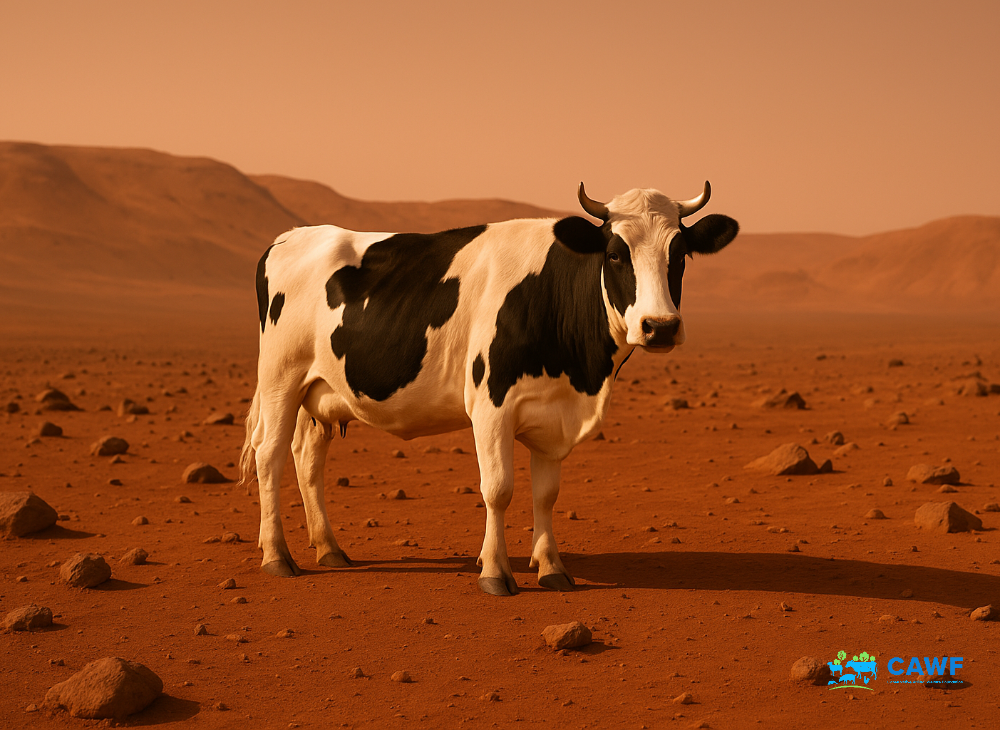
The compelling case for cultivated meat is underscored by ambitious space exploration endeavours, notably Elon Musk and SpaceX’s Mars colonisation plans. Traditional livestock farming presents insurmountable logistical challenges in extraterrestrial environments, including immense feed, water, and land requirements—resources prohibitively scarce in space.
Cultivated meat technology offers a transformative solution, facilitating sustainable, efficient food production independent of terrestrial agricultural constraints. Investing in this technology today not only addresses immediate terrestrial concerns but strategically positions nations for future space exploration, highlighting cultivated meat’s importance as a forward-looking investment.
Animal Welfare and Environmental Benefits
Industrial livestock agriculture is extensively documented to involve severe animal welfare concerns, such as overcrowding, poor living conditions, and inhumane practices. These issues are thoroughly highlighted in Conservative Animal Welfare Foundation (CAWF) publications including “The Unpalatable Truth” and “Farm Animal Welfare in the UK: What Does the British Public Want?”. Cultivated meat, by contrast, significantly diminishes animal suffering, dramatically reducing dependence on industrial livestock farming.
Environmentally, the benefits of cultivated meat are similarly profound. This technology drastically reduces land usage, water consumption, and greenhouse gas emissions, addressing core concerns outlined in international climate agreements. Aligning closely with national and global sustainability goals, cultivated meat technology represents a pivotal advancement in environmental stewardship.
Benefits and Diversification for Farmers and Rural Economies
Far from undermining traditional agriculture, cultivated meat presents significant diversification opportunities, particularly benefiting farmers and rural economies. Farmers already possess crucial resources including land, infrastructure, and agricultural expertise, which can readily adapt to cultivated meat production. Transitioning into this innovative sector could enhance economic resilience, reduce volatility linked to livestock markets, and mitigate risks associated with disease outbreaks.
However, such transitions are not without challenges. Farmers require considerable investment in new infrastructure, technological capabilities, and skill development. To facilitate smooth transitions, governments should offer targeted financial incentives, subsidies, and comprehensive training programmes. Clear and supportive regulatory frameworks are paramount in providing the market certainty necessary for sustained private-sector investment and innovation.
Reports from CAWF, such as “Labelling for Animal Welfare in the UK” and “The Future of Food Security in the UK,” reflect increasing consumer demand for ethically produced, sustainable food options. Responding proactively to this market evolution offers rural economies substantial economic opportunities, reinforcing the strategic imperative of embracing cultivated meat.
Legislative and Regulatory Necessity
Clear and supportive legislation is essential to realise cultivated meat’s potential. Governments must develop comprehensive regulatory frameworks addressing safety standards, clear and transparent labelling, intellectual property rights, and streamlined market entry protocols. Regulatory clarity ensures industry stability, enabling sustained private-sector investment and innovation.
Moreover, robust policy engagement allows nations to rapidly adapt to technological advancements, maintain international competitiveness, and attract critical investment. Without these supportive frameworks, cultivated meat faces uncertainty, risking stifled growth, diminished innovation, and impaired economic benefits.
Conclusion
Cultivated meat represents more than an innovative dietary alternative; it is a transformative technological advancement with significant strategic, economic, environmental, and animal welfare implications. Governments globally must actively prioritise and embrace this industry, leveraging its full potential to position themselves strategically for future challenges. Failure to proactively engage risks forfeiting substantial economic opportunities, technological leadership, and critical progress in animal welfare and environmental protection.
In essence, cultivated meat technology presents a historic opportunity for nations to lead in a sustainable, ethical, and technologically advanced future. It is imperative for policymakers to recognise and seize this transformative potential now.